DISCOVER MORE ABOUT THE STORY BEHIND

The Soundtrack
I didn't name the book after the song. But every beat of Taylor Swift's Wonderland lands somewhere in my story. The first verse, "And we took a wrong turn, And we fell down a rabbit hole. You held on tight to me, 'Cause nothing's as it seems, And spinning out of control" is a wrong turn and a fall, and I hear it twice — once for my birth mother, once for the parents who hired an attorney to move things along and ended up somewhere they never agreed to go.
The chorus, which insists that life was never worse and never better at the same time, is the whole philosophy of raising a paperless baby: real joy sitting on top of a permanent fear, and nobody saying so out loud. The bridge belongs to my birth mother — reaching for someone already gone, going home, and spending decades looking for something to replace what was taken.
In the end nobody came out of Wonderland unchanged. These are the songs playing underneath the story. Tap any one to listen.
 Theme Song
Wonderland
Taylor Swift
▶
Theme Song
Wonderland
Taylor Swift
▶
 Prologue
Is That All There Is
Peggy Lee
▶
Prologue
Is That All There Is
Peggy Lee
▶
 Chapter 4 · Brown Babies
You Are My Sunshine
Elizabeth Mitchell
▶
Chapter 4 · Brown Babies
You Are My Sunshine
Elizabeth Mitchell
▶
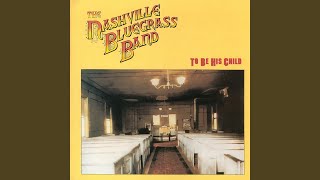 Chapter 10 · The Root of It
No Hiding Place Down Here
The Nashville Bluegrass Band
▶
Chapter 10 · The Root of It
No Hiding Place Down Here
The Nashville Bluegrass Band
▶
 Chapter 29 · Big Daddy
Walking to New Orleans
Fats Domino
▶
Chapter 29 · Big Daddy
Walking to New Orleans
Fats Domino
▶
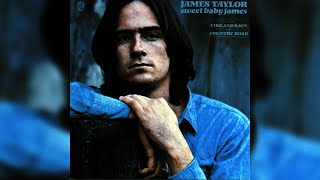 Chapter 51 · Butterflies - Watch the Reunion Video Set to this song here

"Tender, funny, quietly devastating, and deeply moving, Meyer transforms a profoundly personal story into something universal. As she searches for an answer to one of life's greatest questions — what does it mean to belong? — she crafts an unforgettable portrait of a woman born through the black market adoption system. With wit and remarkable emotional clarity, WONDERLAND is a profound meditation on the ways complicated family dynamics and invisible systems of power shape our lives."

"WONDERLAND is an important contribution to everyone in the adoption world. [. . .] It vividly shows the very real consequences when bad actors exploit the systemic vulnerabilities in the adoption system and—most pointedly—it provides a much-needed reminder of why transparency, equity, honesty, and adoptee-centered practices are vital. Oh, did I mention that it's a compelling read for almost anyone?"
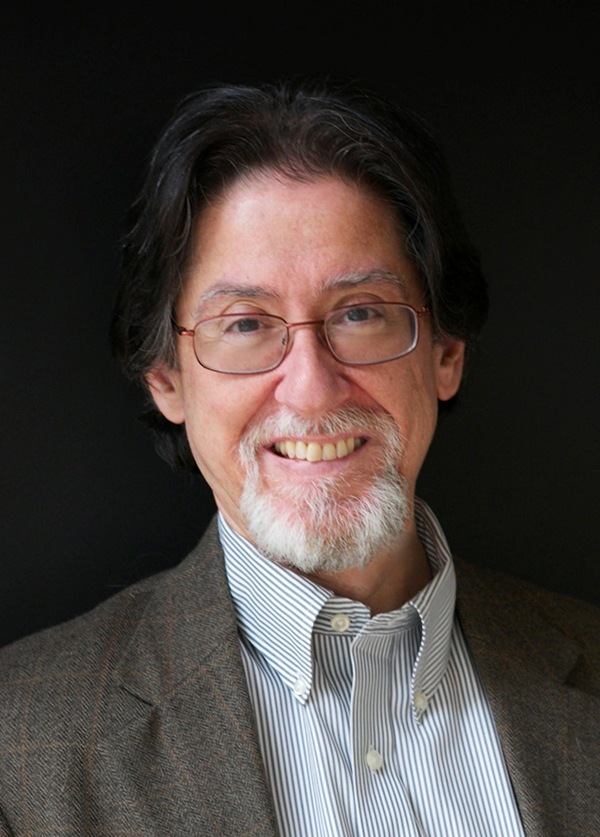
"Meyer's memoir, WONDERLAND, is its own rabbit hole. Her engaging, heart-wrenching narrative takes the reader down the windy, confusing, exhilarating tunnel that is adoption and adoption reunion. She pulls no punches as she shares with courageous honesty her story as an adoptee, raised in a beautiful and brutal home, who then searches for her birth community... Through her exquisite storytelling, Meyer can take us on this profound journey holding simultaneously the beauty and pain of her life as an adoptee."
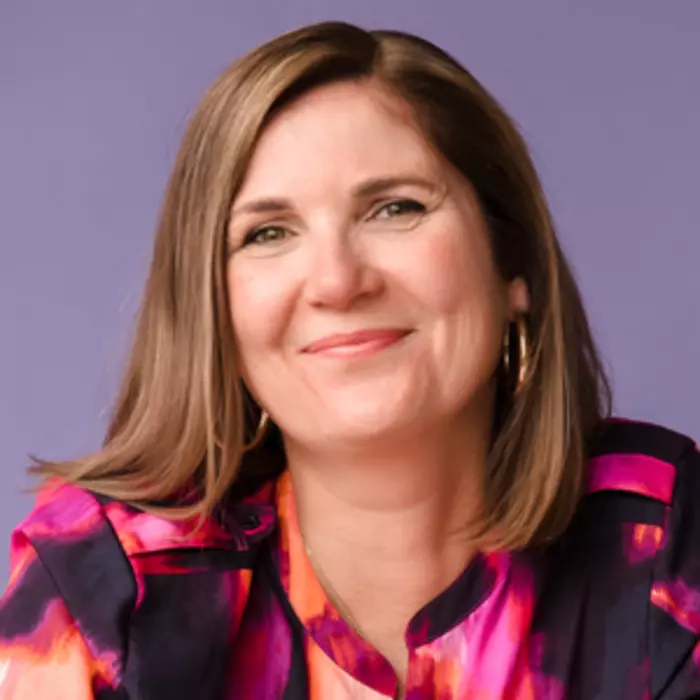
"In an absorbing and fast-moving narrative, Meyer conveys the complexity of the adoptee's inner life, shaped by uncertainty, hypervigilance, and deep, hearty—sometimes incongruous—love... Survival within her adoptive home is a constant focus, and adoption is ever-present, a force that expands and contracts her world, an alternately frightening and exhilarating wonderland."
"This memoir unfolds with the momentum of a television series—propulsive and immersive—yet grounded in precise dialogue and careful attention to scene and setting... Balancing narrative drive with clear psychological insight, the book illuminates the complex realities of adoption, including the lasting impact of falsified records, illegal practices, and unregulated systems."
With unswerving courage, compassion, and a commitment to discovering the truth, Knight weaves together and evokes the lived experience of adoptees, first parents, and adoptive parents. In scrutinizing the forces that shaped her life she gives voice to both the enduring wounds of adoption, the choices we make, and the transformative power of reclaiming our stories."
"WONDERLAND forces readers to confront a reality that adoption narratives often avoid: that systems built on secrecy make ordinary people complicit in harm.... Clear-eyed and rigorously honest, this memoir belongs in any serious conversation about the legacy of the Baby Scoop Era."

"WONDERLAND is an unsettling and deeply necessary account of what can happen when maternal desperation collides with greed and systemic abuse. Patricia Knight Meyer's story is a haunting portrait of the Baby Scoop Era. But it's also a warning. As reproductive rights diminish state by state, this memoir argues that we may be headed toward Baby Scoop Era 2.0. Every legislator, every advocate, everyone who touches the child welfare system should read this book."
"WONDERLAND is essential reading for anyone in child welfare, psychology, law, and policy. But most of all, it's a riveting read. You might think this is an outlier story. It isn't. Read it twice. First, for the incredible story, then to descend with Patricia down the rabbit hole of lies, secrets and corruption that continues to plague child welfare today. Patricia is an accomplished advocate, a daring detective, and an excellent writer to boot."
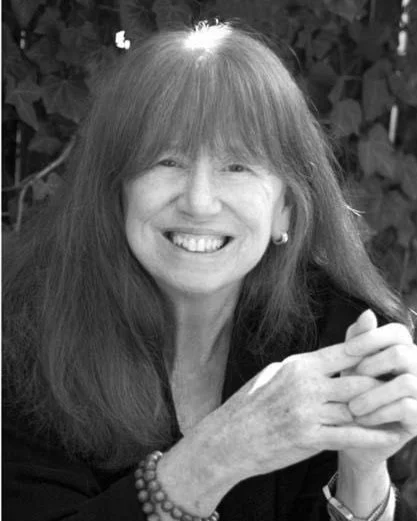
This book rocked me to the core. I couldn't put it down.... This books speaks to all members of the adoption triad and their extended families. I highly recommend this book not only for the story but because it is so well written and engaging.
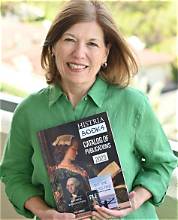
"Patricia Meyer's story is a powerful testament to what happens when identity is built on secrecy, and what becomes possible when truth is finally uncovered... This courageous memoir offers hope to adoptees, parents, and anyone who believes that healing begins when we dare to face the truth."